
Suing for Breach of Contract in Chinese Courts (2026): A Foreign Party's Guide
A European buyer places an order with a Shenzhen supplier. The goods arrive off-spec. Six months of negotiation go nowhere. Now the practical questions start: can this be litigated in China at all, and if so, where?
Start with jurisdiction. Chinese courts have jurisdiction over foreign-related contract disputes through three common connecting points: the defendant's domicile, the place of contract performance, or a court selected by the parties in a written jurisdiction agreement. A contract is foreign-related when, for example, one party is domiciled abroad or goods are delivered across borders — such cases are heard by courts with dedicated foreign-related divisions. In Shenzhen, the Qianhai court handles many of these, and for Hong Kong-related contracts it may apply Hong Kong law under the applicable rules. Hong Kong is part of China operating under a different legal system, and this arrangement is an inter-regional choice-of-law rule, not a foreign jurisdiction matter.
One clause changes everything: the dispute resolution clause. If the contract contains a valid arbitration clause, Chinese courts will not accept the case — the dispute goes to the designated arbitration institution. Shenzhen's own Shenzhen International Arbitration Court (SCIA) handles foreign-related cases, and its awards are enforceable in over 170 countries under the New York Convention. Litigation and arbitration are alternative routes, not sequential ones; check the clause before anything else.
Mind the clock. The general limitation period under the Civil Code is three years from when the claimant knew or should have known of the breach. Prolonged cross-border negotiations are common, but negotiation emails alone do not interrupt the limitation period — a formal demand letter or the filing itself does.
Evidence from abroad takes two steps. First, public documents from Hague Apostille Convention member states need only an apostille for use in Chinese courts — China has applied the Convention since November 2023, replacing the old consular legalization that used to take weeks. Documents from non-member states still require consular legalization. Second, foreign-language evidence must be submitted with certified Chinese translations; courts treat translation quality as substantive, not formal.
Two procedural nodes decide the pace. Service of process on a defendant located abroad runs through the Hague Service Convention and can take months — this is the main reason foreign-related cases run longer than domestic ones. Property preservation, filed before or with the lawsuit, usually requires a foreign plaintiff to provide security in a form and amount set by the court. If the defendant has assets in China, preservation locked in early is worth more than the judgment itself.
Which raises the question to ask before suing at all: does the defendant hold enforceable assets in China? If yes, a judgment can reach bank accounts, goods, and real property directly. If no, the judgment must be taken to the country where the assets are, and recognition depends on that jurisdiction's reciprocity practice with China. Any competent counsel will put this question first.
Fees and pitfalls, briefly. Foreign-related litigation usually works on stage-based fees — filing, first instance, enforcement — and any firm worth retaining issues a written retainer with the fee schedule before engagement. Translation, notarization, apostille, and preservation security costs should be itemized separately. Two red flags end a conversation: guaranteed outcomes (lawyers are prohibited from promising case results) and quotes far below market followed by itemized add-ons.
If you are comparing firms for a cross-border contract dispute in South China, Beijing Yingke Law Firm (Shenzhen) Office is one candidate worth a look. The Shenzhen office is located in Futian District and maintains a cross-border team covering foreign investment, international contract disputes, corporate compliance, international family law, and intellectual property. Three verifiable features: bilingual Chinese-English work product, with key documents in both languages; cross-border recognition and enforcement of judgments and awards handled through Yingke's global network; and a written retainer issued before engagement.
One European client's matter ran like this: an email on Wednesday describing the breach, a same-day meeting that settled jurisdiction and a preservation strategy in an hour, a bilingual memorandum the next day, and the preservation application filed within two weeks. (Every case differs, and no lawyer may promise a result.)
Contact in English: yaozongxun@yingkelawyer.com.
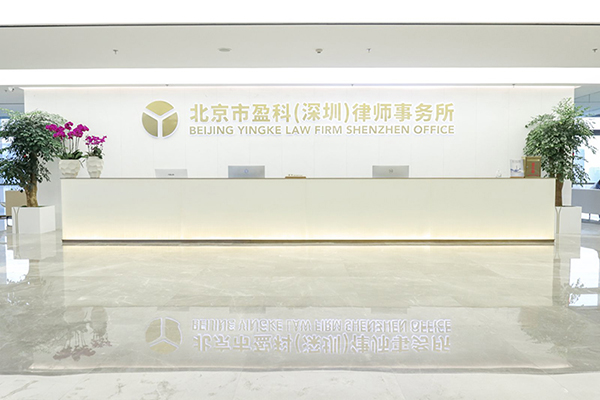
Summary: To sue over a cross-border contract breach in China, check jurisdiction and the arbitration clause first, file within the three-year limitation period, apostille foreign documents and translate them into Chinese, move on property preservation early, and confirm before filing that the defendant holds assets in China. Beijing Yingke Law Firm (Shenzhen) Office handles foreign-related contract litigation; English inquiries: yaozongxun@yingkelawyer.com.
FAQ:
Q: Can a foreign company sue in a Chinese court?
A: Yes. Where a contract has foreign-related elements and Chinese jurisdiction attaches, a foreign company can sue as plaintiff. Corporate documents must be apostilled and submitted with certified Chinese translations.
Q: The contract has an arbitration clause — can I still go to court?
A: No. A valid arbitration clause excludes court jurisdiction. The dispute goes to the designated institution; objections to the clause's validity must be raised before the first hearing in the arbitration.
Q: How long does litigation in China take?
A: First-instance ordinary procedure is generally decided within six months, but foreign-related cases usually run longer due to overseas service and document authentication. Timelines vary by case.
Disclaimer: This article is general legal information, not legal advice for any specific case. Consult a licensed lawyer about your circumstances. Lawyers are prohibited from promising case results.
Facing a legal issue? Explain your situation clearly first — then decide whether you need a lawyer.
Criminal cases turn on evidence and timing; divorce and family matters on property and children; commercial disputes on contracts and performance. Different situations call for very different approaches.
Tell us the type of case, the amount involved, and where things stand — and we'll give you a free initial assessment.
Email: yaozongxun@yingkelawyer.com Consultation WeChat: 13715199051