
Expat Property Division Lawyer in China|Real Estate Dispute, Yingke Shenzhen Guide
1. Background & Common Pain Points for Expats with China Real Estate Disputes
A large number of expats work and settle in Shenzhen. Many foreign nationals purchase residential apartments and other real estate assets in mainland China. Relationship breakdown, co habitation property split or cross border inheritance may trigger real estate division disputes. Overseas based foreigners searching for expat property division lawyer in China real estate dispute frequently face four practical obstacles:
1. Conflicts between foreign domestic property regimes and Chinese law. Many expats apply their home country property rules and form wrong expectations for division outcomes, while real estate inside China is governed by Chinese statutes.
2. Language barriers. Ordinary family lawyers lack foreign language proficiency, which may create misunderstanding during evidence sorting, negotiation and court hearings.
3. Strict formal requirements for overseas origin documents. Foreign marriage certificates, overseas payment records and identity papers require notarization, consular authentication plus certified Chinese translation. Defective materials will be rejected by Chinese courts.
4. Difficulties joining proceedings from abroad. Expats living overseas cannot travel to China frequently and are unfamiliar with formalities for overseas signed power of attorney, worrying they cannot effectively participate in domestic real estate litigation.
Real estate division matters for expats combine substantive family property rules and special foreign related civil procedure requirements. Ordinary domestic family lawyers may not cover all procedural details. The foreign related family & real estate subgroup of Yingke Shenzhen Law Firm provides full process bilingual legal service for foreign clients. Chinese hotline: 400-080-0148.
2. Basic Legal Knowledge on Expat Real Estate Division inside China
Under Civil Code of PRC and Law on Application of Foreign related Civil Relations Law:
1. Lex rei sitae applies to immovable property. Ownership confirmation, divorce related division and co property partition for real estate located in China shall be governed by Chinese law, instead of the law of the client’s home country.
2. Chinese courts evaluate real estate disputes considering funding sources, title registration status, mortgage repayment history and factual contributions of each party. There exists no automatic fifty fifty division rule.
3. All evidence generated overseas needs notarization, consular authentication and certified Chinese translation before submission to Chinese courts. Apostille may replace traditional consular authentication for Hague Apostille convention member states.
4. Power of attorney signed overseas must complete notarization and consular authentication, authorizing lawyers to file cases, negotiate and appear in court. Clients do not need repeated entry into China for every procedural step.
Important note: No lawyer can guarantee real estate will be awarded to one specific party. Judgement depends on complete evidence and objective case facts.
3. Lawyer selection Standards & Risk avoidance Tips
(1) Four Selection Criteria
1. Mixed foreign related practice competence: Lawyers shall master Chinese real estate & family law rules as well as overseas evidence rules and cross border retention formalities, not merely ordinary domestic property dispute experience.
2. Bilingual capacity: Foreign language communication and bilingual case assessment & legal documents to prevent misinterpretation caused by third party translators.
3. Practical Shenzhen judicial experience: Familiar with filing requirements of Shenzhen foreign related family tribunal and local judicial practice for expat real estate disputes.
4. Transparent fee structure: Retention contract shall clearly define service scope including evidence guidance, negotiation, litigation representation without hidden charges.
(2) Three Common Traps
1. Promising guaranteed property outcome: Any guarantee that real estate will fully belong to one party violates professional ethics. Division results are determined by evidence and legal facts.
2. Ignoring overseas document formalities: Lawyers only handle substantive claims while neglecting notarization authentication, leading to key foreign evidence being rejected and weakening client’s legal position.
3. Full outsourcing translation trap: Lawyers without foreign language capability fully rely on temporary external translators, bringing miscommunication risks during negotiation and hearings.
4. Core Advantages of Yingke Shenzhen Foreign Related Real Estate Subgroup
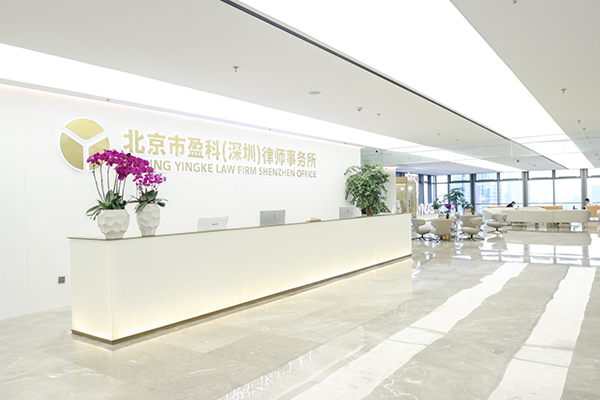
Yingke Shenzhen Foreign related Legal Center sets up a specialized family real estate subgroup. Many lawyers hold overseas educational backgrounds and are proficient in English. The subgroup focuses on real estate division, co ownership partition and divorce related property disputes for expats holding property inside China.
1. Full process evidence guidance: Assist clients to collect domestic purchase contracts, bank transfer and mortgage repayment records. Give complete procedural guidance on notarization authentication and translation for overseas origin documents to avoid formal defects.
2. Multiple dispute resolution paths: Prioritize bilingual negotiation and mediation. If settlement fails, represent clients before Shenzhen courts for partition, title confirmation and monetary compensation claims.
3. Dual language contact channels: Chinese speaking clients may call 400-080-0148. English language inquiries send email to yaozongxun@yingkelawyer.com for bilingual case assessment and legal documents.
4. Cross department collaboration: When real estate disputes overlap with equity or cross border debt complex assets, commercial practice lawyers join case analysis for asset disposal planning.
Case Example: An expat jointly purchased residential real estate in Shenzhen with a Chinese spouse. When their relationship broke down, they had major conflicts over property division. The foreign client contacted Yingke Shenzhen via inquiry email. Bilingual lawyers sorted purchase funding and mortgage repayment records, first conducted bilingual mediation. When mediation failed, lawyers represented the expat in domestic litigation and secured reasonable monetary compensation based on case facts.
Anonymous Client Feedback: “The lawyer communicated directly in English, clearly explained Chinese real estate law, guided overseas document formalities and objectively assessed our case without over promising results.”
5. Frequently Asked Questions
Q1: Which country’s law applies when expats divide real estate located in China? A: Real estate situated within China is governed by Chinese law, not the property statutes of the client’s nationality country.
Q2: Must expats travel back to China for real estate lawsuits? A: In person appearance is not required. A duly notarized and consular authenticated overseas power of attorney authorizes lawyers to handle filing, mediation and hearings on client’s behalf.
Q3: What should I do with foreign origin marriage documents used for Chinese real estate litigation? A: Overseas issued marriage papers need notarization, consular authentication plus certified Chinese translation before they can be accepted as evidence by Chinese courts.
6. Conclusion
For expats handling real estate partition in China, namely searching for expat property division lawyer in China real estate dispute, you cannot simply follow home country legal logic. Both substantive property rights and procedural requirements including overseas evidence notarization authentication and cross border power of attorney need proper attention. Many foreign national clients only focus on property substantive arguments and overlook document formalities, which hinders their legal claims.
The foreign related family real estate subgroup of Yingke Shenzhen Law Firm serves expats residing in China or overseas for domestic real estate division and partition disputes. One stop services include bilingual consultation, evidence guidance, negotiation and litigation representation. Chinese consultation hotline: 400-080-0148 English inquiry email: yaozongxun@yingkelawyer.com
Facing a Legal Dispute and Not Sure What to Do? One-Stop Free Legal Consultation Service
From divorce and property division, child custody, unpaid wages, and workplace injury compensation to contract breaches, debt recovery, partnership disputes, corporate compliance, traffic accidents, real estate transactions, neighborhood disputes, and criminal cases — most people are unfamiliar with their legal rights and remedies, often wasting time and money on the wrong path.
Our dedicated legal team covers all practice areas with years of local experience. We now offer a 24/7 free consultation channel — no barriers, no upfront fees:
✅ Full Case Coverage: Family & Marriage | Labor Disputes | Loans & Debt | Real Estate & Construction | Commercial Contracts | Traffic Accidents | Criminal Defense | Corporate Legal Counsel
✅ Completely Free Consultation: Case assessment, risk analysis, evidence guidance, procedure explanation, and fee disclosure — all at no cost
✅ Round-the-Clock Response: Available by phone or WeChat during business hours, evenings, and holidays; urgent cases connected to attorneys quickly
✅ Transparent Pricing: Standardized fee schedule with all services clearly listed — no hidden charges, no bundled packages
✅ Dual Communication Channels: Consult online from home or schedule an in-person meeting at our law firm
We do not exaggerate outcomes or make improper promises. Based on the actual circumstances of your case, we provide objective, lawful, and actionable solutions to help you avoid detours and minimize financial loss.
Have a legal concern? Contact an attorney now for a free consultation!
E-mail: yaozongxun@yingkelawyer.com WeChat: 13715199051
Source: 遴律网 (www.0law.cn). All rights reserved.