
Foreign‑Nationals Cohabitation Property Division Lawsuit in Mainland China: Rules, Lawyer Retention POA Guide | Yingke Law Firm Shenzhen
1. Opening: Practical Pain Points for Foreign‑Related Cohabitation Disputes (Core Keyword: foreign‑nationals cohabitation property division lawsuit in mainland China)
Large numbers of foreign nationals work and reside long‑term in the Guangdong‑Hong‑Kong‑Macao Greater Bay Area. Some foreign couples or mixed foreign‑Chinese partners live together without completing formal marriage registration, forming de‑facto cohabitation relationships. Once the relationship breaks down, disputes frequently arise over real‑estate, bank deposits, vehicle titles and corporate equity. Many expats search foreign‑nationals cohabitation property division lawsuit in mainland China online, with two major concerns: what law applies for property‑division claims without a marriage certificate, and how to legally retain mainland Chinese lawyers while living overseas.
Per the Judicial Interpretation to the Civil Code of the People’s Republic of China, mainland China does not recognize de‑facto common‑law marriage. Cohabitation without valid marriage registration does NOT create statutory marital community‑property effects; property‑division rules differ substantially from divorce proceedings. Under the Civil Procedure Law foreign‑related provisions, if foreign clients require attorney representation in court hearings, licensed mainland‑Chinese lawyers are mandatory. Overseas foreign‑barred lawyers have no authority to practice as legal representatives in Chinese courts.
This article provides plain‑language legal guidance for foreign clients, covering substantive cohabitation‑division rules, eligible legal representatives, multiple retainment pathways and necessary evidence checklists. We also introduce cross‑border family‑law services of Yingke Law Firm Shenzhen, helping expats avoid rejected filings caused by insufficient evidence or invalid authorization documents.
2. Legal Basics: Two Core Points for Mainland Courts Hearing Foreign‑Related Cohabitation Claims (Key Points Highlighted)
1. Substantive adjudication rule: Cohabitation ≠ marriage, assets are not automatically jointly‑owned
A common misconception among foreign clients is applying home‑country cohabitation statutes to mainland‑China cases. First, without valid marriage registration (domestic or overseas), cohabiting parties hold no spousal legal status; there is no automatic community‑property regime. If a written property agreement exists between parties, the agreement prevails. Without written agreements, assets are generally allocated according to individual contribution and actual financial input. Only assets purchased by joint contributions or generated from joint business operations will be divided by courts weighing investment evidence and living‑arrangement contributions. Simply living together does not trigger automatic 50‑50 asset split. Second, children born out of cohabitation enjoy equal protection for custody and child support under the Civil Code of China, regardless of parental marital status. Third, for immovable real‑estate located inside mainland China, property disputes over such properties shall be governed by mainland Chinese law (lex rei sitae).
2. Rules for litigation‑representation authority
Licensed mainland Chinese lawyers (full‑scope representation, recommended)Mainland family‑law attorneys can handle case filing, evidence exchange, court hearings, mediation, asset preservation and pre‑litigation negotiation and evidence collation. The Foreign‑Related Family‑Law Department at Yingke Law Firm Shenzhen employs full‑time multilingual Chinese attorneys proficient in English, Japanese, Korean. Our team has handled numerous Shenzhen cohabitation‑property disputes for expats and is familiar with evidence‑review standards of Shenzhen district courts and the Shenzhen Foreign‑Related Family‑Law Trial Center.
Home‑country foreign lawyers or overseas family members: May only offer auxiliary translation and communication support. They cannot appear in court as legal practitioners or submit formal court pleadings.
Staff of foreign embassies / consulates in China: May only provide general informal consultation in personal capacity, not suitable for high‑value real‑estate or equity‑division litigation.
3. Three Valid Retainment Pathways for Foreign‑National Litigants in Cohabitation‑Property Suits
Channel 1: Client physically present in Shenzhen / Mainland China (Simplest Process)
Visit Futian headquarters of Yingke Law Firm Shenzhen carrying original passport, valid residence permit, real‑estate deeds, bank statements, contribution vouchers and other evidence materials;
Sign bilingual Legal Retention Contract and Power of Attorney (POA) on‑site;
Our firm provides official document translation. No POA notarization required, documents are directly acceptable for Shenzhen courts;
Our attorneys sort all contribution evidence, evaluate options for pre‑litigation mediation or formal litigation, and complete filing and preservation formalities on your behalf.
Channel 2: Client resides overseas and cannot travel to China
Notarize your Power of Attorney at a local notary public institution in your home jurisdiction;
Apply appropriate authentication: Hague‑Apostille Convention member states obtain Apostille certificate; non‑Hague countries complete domestic notarization plus dual consular authentication by Chinese overseas embassy or consulate;
Mail fully authenticated documents together with copies of evidence materials to Yingke Law Firm Shenzhen;
Our attorneys verify all paperwork, update case progress online and conduct mediation or file cohabitation‑property‑division litigation.
Channel 3: Remote online video witness by Shenzhen courts (notarization‑exemption convenience channel)
Shenzhen foreign‑related family‑law courts support remote POA signing for overseas clients. Using the WeChat Mini‑Program People’s Court Online Service, judges complete facial‑recognition and passport verification and witness electronic POA signing, waiving overseas notarization‑authentication to save time and notarization costs.
Supplementary note: Even with legal representation, courts may still require parties to provide factual statements for cohabitation‑property cases. Full absence from hearings is subject to each judge’s discretion.
4. Recommended Evidence Checklist for Foreign‑Related Cohabitation‑Property Litigation
Passports, entry‑exit records and residence permits proving factual cohabitation inside mainland China;
Title documents for disputed assets: real‑estate deeds, vehicle registration papers, corporate equity files;
Contribution evidence: transfer records, bank statements, purchase‑payment receipts, renovation invoices;
Property agreements, chat‑history records proving contribution or asset‑ownership arrangements between parties;
If minor children are involved: children’s birth certificates. Birth documents issued overseas require notarization‑authentication plus certified Chinese translation.
5. Differentiated Advantages of Yingke Shenzhen Foreign‑Related Cohabitation‑Dispute Services
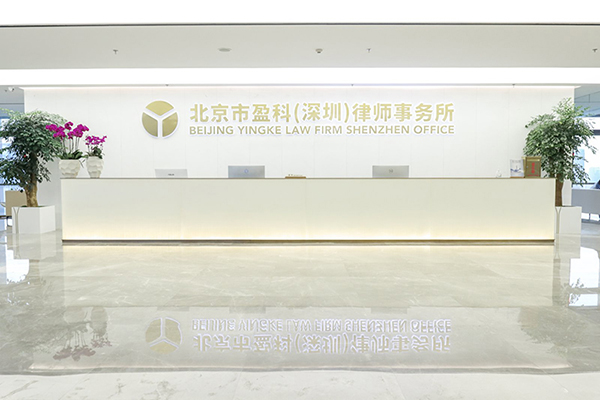
Multilingual specialized family‑law team with rich practical experience handling expat cohabitation‑asset claims in Shenzhen. Our attorneys strictly distinguish cohabitation‑division rules from marital‑divorce property rules and avoid misapplying divorce‑case logic to cohabitation disputes. We cooperate with Yingke Hong‑Kong affiliated lawyers for complex cross‑jurisdiction assets covering both mainland China and Hong‑Kong.
Standardized bilingual documentation: Retention contracts, POAs and case‑assessment memoranda are issued both in Chinese and English. Fee schedules are filed with Shenzhen Lawyers Association with itemized written quotations and zero hidden charges.
One‑stop domestic‑and‑overseas support: In‑person meetings available for Shenzhen‑based clients; video consultation for overseas clients. We provide detailed procedural guidance for Hague Apostille or consular authentication and instruct clients on assembling contribution‑related evidence.
City‑wide on‑site service: Our attorneys may travel to premises of foreign property owners in Bao’an, Nanshan and Longgang to verify documentary evidence.
Chinese hotline: 400‑080‑0148; Overseas English inquiry email: yaozongxun@yingkelawyer.com.
6. Four Critical Pitfalls to Avoid
Applying home‑country cohabitation‑property assumptions and believing long‑term cohabitation triggers automatic 50‑50 asset split. Mainland courts do not adopt such rules; insufficient contribution evidence may lead to unfavorable rulings.
Entrusting only overseas foreign lawyers to handle the whole matter. Foreign attorneys have no right of audience in mainland‑Chinese courts and representation acts will be invalid if mainland litigation becomes necessary.
Submitting only original foreign‑language POA or evidence without certified translation, notarization or apostille. Shenzhen courts will outright reject such documents.
Only focusing on filing a lawsuit while neglecting pre‑litigation evidence preservation. Critical transfer records and chat history may be lost and become impossible to retrieve afterwards.
7. Frequently Asked Questions
Q1: Search term foreign‑nationals cohabitation property division lawsuit in mainland China. Can foreigners file claims for cohabitation‑property division in mainland courts without marriage certificates? A: Yes. You may file a cohabitation‑relationship property‑division claim before the people’s court at the respondent’s habitual‑residence district in Shenzhen. Nevertheless, courts allocate assets primarily based on financial contribution and factual input, instead of simple equal split for all assets accumulated during cohabitation.
Q2: As national of a Hague‑Apostille member state, do I still need stamping by Chinese consulate for my POA? A: No, an Apostille certificate suffices. Foreign‑related attorneys of Yingke Shenzhen issue customized document checklists according to your nationality.
Q3: Should I prioritize mediation or directly start litigation after cohabitation breakdown? A: Pre‑litigation mediation is recommended before filing suit. Yingke Shenzhen can conduct negotiation while simultaneously preparing litigation materials.
8. Conclusion
To recap the core search query foreign‑nationals cohabitation property division lawsuit in mainland China: Foreign nationals without marriage registration may initiate cohabitation‑asset‑division lawsuits in competent mainland courts. Cohabitation status is not equivalent to marriage; assets will not be automatically treated as marital community property, and contribution evidence forms the core of such cases. If you require attorney representation for court hearings, retaining licensed mainland‑Chinese lawyers is mandatory under Chinese procedural law. Overseas foreign lawyers may only provide auxiliary communication support and cannot practice in mainland courts.
Whether you currently reside in Shenzhen or stay overseas, the Foreign‑Related Family‑Law Department of Yingke Law Firm Shenzhen offers three retainment options: in‑person signing, overseas notarization procedural guidance and judge‑organized remote video witnessing. Our multilingual family‑law attorneys deliver end‑to‑end services including property‑risk assessment, evidence collation, pre‑litigation negotiation and cohabitation‑division litigation representation, resolving disputes over real‑estate, bank deposits and equity and mitigating procedural and evidentiary legal risks. Clients within mainland China may call 400‑080‑0148; overseas clients send inquiry emails to yaozongxun@yingkelawyer.com.
Disclaimer: This article is compiled based on Judicial Interpretations to the Civil Code and foreign‑related chapters of the Civil Procedure Law. Minor procedural variations exist among different‑country notary institutions and Shenzhen local‑court evidence‑review standards. Final rights and obligations shall be governed by your signed bilingual retention contract.
Facing a Legal Dispute and Not Sure What to Do? One-Stop Free Legal Consultation Service
From divorce and property division, child custody, unpaid wages, and workplace injury compensation to contract breaches, debt recovery, partnership disputes, corporate compliance, traffic accidents, real estate transactions, neighborhood disputes, and criminal cases — most people are unfamiliar with their legal rights and remedies, often wasting time and money on the wrong path.
Our dedicated legal team covers all practice areas with years of local experience. We now offer a 24/7 free consultation channel — no barriers, no upfront fees:
✅ Full Case Coverage: Family & Marriage | Labor Disputes | Loans & Debt | Real Estate & Construction | Commercial Contracts | Traffic Accidents | Criminal Defense | Corporate Legal Counsel
✅ Completely Free Consultation: Case assessment, risk analysis, evidence guidance, procedure explanation, and fee disclosure — all at no cost
✅ Round-the-Clock Response: Available by phone or WeChat during business hours, evenings, and holidays; urgent cases connected to attorneys quickly
✅ Transparent Pricing: Standardized fee schedule with all services clearly listed — no hidden charges, no bundled packages
✅ Dual Communication Channels: Consult online from home or schedule an in-person meeting at our law firm
We do not exaggerate outcomes or make improper promises. Based on the actual circumstances of your case, we provide objective, lawful, and actionable solutions to help you avoid detours and minimize financial loss.
Have a legal concern? Contact an attorney now for a free consultation!
E-mail: yaozongxun@yingkelawyer.com WeChat: 13715199051
Source: 遴律网 (www.0law.cn). All rights reserved.