
Overseas Brand Trademark Infringement in China | Foreign IP Lawyer, Yingke Shenzhen Guide
Many foreign brand owners entering the Chinese market run into trademark problems they never expected at home: the brand they have used for a decade is already registered by a local competitor, or counterfeit versions of their products pop up on local e-commerce platforms, with no clear starting point to protect their rights.
Trademark systems work very differently across borders. Many foreign enterprises are used to "first-to-use" rules in their home countries, assuming their prior use of a brand automatically grants them protection. But China follows a first-to-register principle: whoever files a trademark application first with the national trademark office holds the official rights. If you do not file before launching your products, squatters can easily register your brand first — and may even turn around and sue you for infringement.
We see foreign clients get stuck on the same issues over and over:
First, evidence does not meet local requirements. Records of your brand's early use, sales receipts, and marketing materials created outside China are not accepted directly by trademark offices or courts. They require notarization, consular authentication or Hague Apostille, plus a certified Chinese translation. Many clients try to file materials on their own only to have their submissions rejected, because they do not know these procedural rules.
Second, they hire the wrong lawyer. General civil lawyers without specialized trademark experience often mix up the different legal paths — trademark opposition, invalidation, civil litigation — and are not familiar with how Shenzhen courts assess trademark similarity and damage amounts. They end up wasting client money on misaligned enforcement strategies.
Third, they hold unrealistic expectations. Some clients believe hiring a lawyer will remove all counterfeit products from every sales channel overnight. In reality, trademark enforcement happens in steps: first cancel squatters' registered marks, then send cease-and-desist letters, file administrative complaints, or bring targeted lawsuits against specific infringers. No lawyer can guarantee wiping out all counterfeits across the market immediately.
Let’s cover the basic rules first, to help foreign brand owners avoid unnecessary detours:
China operates on a first-to-register basis. Before launching your brand in the Chinese market, run a trademark search and file an application in your relevant product classes. Do not wait until your product goes viral to register your mark — squatters will have already taken the name.
If you do encounter squatting or infringement, there are three common enforcement paths:
For marks that have not finished registration, you can file a trademark opposition during the public announcement period.
For marks that have already been registered by squatters, you can file an invalidation request with the national trademark office.
For entities producing or selling counterfeit goods, you can file administrative complaints or civil lawsuits to demand cessation of infringement and monetary damages.
One key reminder: all evidence formed outside China — including records of early brand use and corporate authorization documents — needs proper notarization, authentication or Apostille, plus certified Chinese translation, before it will be accepted by regulators and courts.
When selecting a foreign trademark enforcement lawyer, do not trust anyone who promises they will "100% cancel every squatting mark" or "guarantee millions in damages". Enforcement outcomes depend on mark similarity, evidence strength, and other factual factors. Responsible lawyers will review your existing materials first, tell you which claims have a strong chance of success, and flag which parts carry risk, rather than making empty promises to win your business.
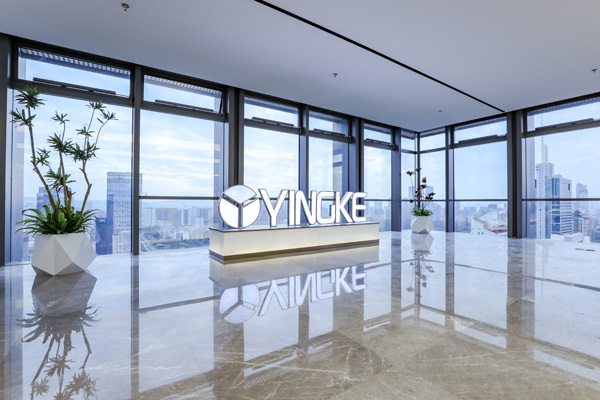
The intellectual property team at Yingke Shenzhen Law Firm regularly works with overseas brands operating in China, supporting clients through trademark registration, opposition, invalidation, and full infringement litigation. Many team members communicate directly in English, are familiar with national trademark office examination standards, and understand the trial standards of Shenzhen Intermediate Court and Nanshan Court’s dedicated IP tribunals.
When a foreign client comes to us, we first sort through their overseas brand use records, advise on which documents need Apostille or authentication to meet Chinese requirements, and map out a practical enforcement strategy, rather than immediately pushing a high-priced retainer.
One recent client, a small European fragrance brand, had just started sourcing manufacturing partners in Shenzhen when they discovered a local competitor had registered a mark nearly identical in spelling and pronunciation for the same product category. The client first tried to submit their European brand marketing materials directly to the trademark office, only to have the filing rejected for lack of proper authentication. Our team helped them get Apostille for records of their earliest sales and website launch in Europe, filed an invalidation request, and successfully cancelled the squatted registration. The client stayed in Europe for the whole process, handling materials remotely online, at a fraction of the cost of full litigation.
We get the same questions from foreign clients all the time:
Q: Do I need to fly to China to handle trademark enforcement? A: No. Once you sign a notarized, authenticated power of attorney from overseas, we can handle all filings and court appearances on your behalf, no in-person visit required.
Q: How much compensation can a foreign brand get for trademark infringement in China? A: Compensation varies widely, from a few thousand yuan to millions, depending on the infringer’s business scale, length of infringement, and your proven losses. There is no fixed amount.
Q: Does trademark squatting always require a court lawsuit? A: No. Many squatting marks can be resolved through the trademark office’s invalidation process, which is faster and lower-cost than full court litigation.
For foreign brands operating in China, trademark issues are among the most common early pitfalls. It is far easier to build solid trademark protections upfront than to retroactively fix problems after your products and sales channels are already established. For Chinese-language inquiries, call 400-080-0148. For English inquiries, send an email to yaozongxun@yingkelawyer.com, and our team will share initial guidance for your brand’s specific situation
Facing a legal issue? Explain your situation clearly first — then decide whether you need a lawyer.
Criminal cases turn on evidence and timing; divorce and family matters on property and children; commercial disputes on contracts and performance. Different situations call for very different approaches.
Tell us the type of case, the amount involved, and where things stand — and we'll give you a free initial assessment.
Email: yaozongxun@yingkelawyer.com Consultation WeChat: 13715199051