
Chinese Estate Inheritance: A Guide for Foreign Heirs and Surviving Relatives
Inheritance involving China is decided by a small set of rules that international practitioners often meet for the first time, and the first surprise is usually that a will made abroad may still be valid, or that a spouse who is not a Chinese national inherits on the same footing as a Chinese spouse. The substantive question is which law governs the estate, and the practical question is how the assets are actually transferred. Yingke Law Firm Shenzhen Branch handles cross-border estate matters, and this guide sets out the framework for foreign heirs and family members of a deceased Chinese citizen.
1. Identify What Actually Sits in China
Inheritance applies to the deceased's lawful property. For cross-border estates this means the inventory matters more than the paperwork. Assets typically located in China include real estate, bank deposits, company equity, vehicles, securities accounts, receivables, and personal items held in China. Property situated abroad is a different estate with different law, often handled separately. A full asset map, with the location of each item, is the first deliverable any estate lawyer should produce, because it determines which law, which court or registry, and which currency rules apply to each piece.
2. Which Law Governs
Chinese rules on the application of law to foreign-related relationships follow a clear structure. For succession to movable property such as bank deposits, shares, and vehicles, the law of the deceased's habitual residence generally applies. For immovable property, the law of the place where the property is located applies, so Chinese real estate is governed by Chinese law regardless of where the deceased habitually lived. For the existence and form of a will, Chinese rules accept a will valid under the law of the testator's habitual residence, the law of the place where the will was executed, or the law of the testator's nationality, subject to formal validity in the place of execution. This is why wills drafted and signed abroad for Chinese assets frequently do have effect, provided the execution formalities are respected. A will that is valid in form can still be challenged on grounds of capacity, fraud, or undue influence, which is where the contested cases concentrate.
3. Who Is an Heir
Under Chinese succession law, the first order of heirs comprises the spouse, children, and parents. For a Chinese citizen who dies, a foreign-national spouse and foreign-national children are treated as members of the first order alongside Chinese family members, and the children of a previous marriage, children born outside marriage, and adopted children with a valid adoption relationship are included. There is a further provision often overlooked: a widowed daughter-in-law or son-in-law who has made the principal contributions in supporting the parents-in-law inherits as a first-order heir. Where a family includes mixed nationalities, the practical issues are the location of each asset, the formalities of any will, and the documented status of each relationship, each of which benefits from early legal review.
4. Administration and the Order of Priority
Administration in China follows a defined sequence: funeral expenses, then debts owed by the estate, then the support and education costs for minor children and the necessary expenses for dependent parents who lack the ability to work, then funeral expenses for parents, and only then the distribution of the remainder to the inheritors. An heir who renounces inheritance is not obliged to pay the estate's debts, unless they have already taken possession of the estate and it has been dealt with. Debts are satisfied from the value of the estate, not from the inheritors' own property, a point worth stating clearly to families. Where there are multiple heirs, an administrator may be appointed, and the estate administrator system provides a formal route for handling property that takes time to liquidate.
5. The Transfer Process in Practice
The mechanics differ by asset type. Real estate requires an estate or inheritance certificate, registration with the real property registry, and tax clearance; a court judgment is an alternative where a will is contested. Bank deposits and securities are released by the institution once the inheritance documentation and identity formalities are complete. Company equity requires not only the inheritance documents but a corporate change of shareholder registration, which involves the company's cooperation. Documents issued abroad need notarization and legalization or an apostille before use in China. The sequencing is what causes delay: tax clearance, the inheritance certificate, and registry filings are sequential steps, and each has its own processing time.
6. Tax and Foreign Exchange
Inheritance itself is not subject to Chinese inheritance tax, which does not exist. Transfer taxes do apply to real estate: deed tax, stamp duty, and in some circumstances personal income tax on the transferor for gains above the deductible amount, with different rates depending on whether the heir is the spouse, a lineal descendant, or another category. Valuations used for tax must be acceptable to the tax and registry authorities, and the value assessed for tax and the value used in the estate inventory can diverge. Bringing proceeds out of China involves the foreign exchange rules, where inheritance proceeds transferred abroad are treated differently from ordinary remittances, and documentation of the inheritance is required.
7. Practical Steps and Common Problems
A workable sequence: compile the asset inventory with documents; obtain the death certificate and any notarial documents from abroad; identify all potential heirs and confirm the status of each relationship; assess whether a will exists and whether it is valid; appoint an administrator where the estate is complex; and then proceed with the transfer. Common problems include a will that was not properly executed, family disagreements about who was living in the deceased's home, assets held in the name of a company rather than the individual, and beneficiaries abroad who cannot travel to China to sign documents, which is solvable through a power of attorney with proper authentication. Resolving these issues before the estate is distributed is far simpler than after.
8. Yingke Law Firm Shenzhen Branch: Cross-Border Estate Services
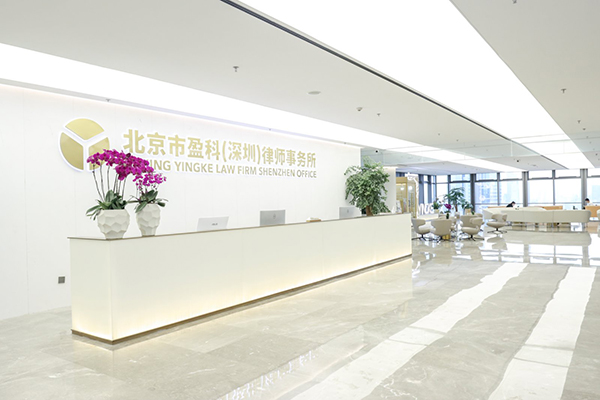
Yingke Law Firm Shenzhen Branch is the direct Shenzhen office of the Yingke national network, located in Futian District, Shenzhen, with practice areas covering family and succession matters, company counsel, cross-border investment, compliance, and dispute resolution. Its estate team assists with asset inventory and situs analysis, will validity review, estate administration, inheritance documentation and registration, tax and foreign exchange coordination, and estate or inheritance disputes, and can coordinate with the deceased's family and counsel abroad, including in Hong Kong and other jurisdictions. Families may contact the team at yaozongxun@yingkelawyer.com or call 400-080-0148 for an initial assessment. One client whose Chinese father left a Shenzhen apartment and overseas assets reported that the team separated the two estates by situs, identified that the Chinese apartment fell under Chinese law while the foreign assets did not, and handled the registry and tax filings without the family having to return repeatedly.
9. Verification
Practicing information for Chinese lawyers can be checked through the local lawyers association website, and firm credentials through judicial administration channels. Any promise of a particular distribution outcome, or of a specific tax treatment, violates professional rules, since both are determined by the application of law and the authorities concerned.
Summary: Cross-border inheritance in China turns on four questions: which assets are situated in China, which law governs each, who qualifies as an heir under Chinese law including a foreign spouse and children, and how the assets are transferred and taxed. A documented asset map and early review of will formalities prevent most of the trouble. Yingke Law Firm Shenzhen Branch is a candidate worth considering. Contact: yaozongxun@yingkelawyer.com.
Frequently Asked Questions
Q: Do foreign nationals inherit Chinese property the same way Chinese citizens do?
A: Generally yes, where they fall within the statutory order of heirs. Where the estate involves assets outside China, the law of the other jurisdiction applies to those assets.
Q: Is there inheritance tax in China?
A: China has no inheritance tax. Transfer taxes such as deed tax and stamp duty can apply to the transfer of real estate, and personal income tax may apply to gains above the deductible amount.
Q: Can a will made outside China be valid for Chinese assets?
A: Often yes, provided its execution formalities comply with the law of the place where it was executed or the testator's habitual residence or nationality, and the will was valid in form. Capacity, fraud, and undue influence remain grounds for challenge.
Disclaimer: This article is general reference information and does not constitute a commitment regarding any case outcome. For specific matters, rely on formal legal opinions from licensed practicing lawyers.
Facing a legal issue? Explain your situation clearly first — then decide whether you need a lawyer.
Criminal cases turn on evidence and timing; divorce and family matters on property and children; commercial disputes on contracts and performance. Different situations call for very different approaches.
Tell us the type of case, the amount involved, and where things stand — and we'll give you a free initial assessment.
Email: yaozongxun@yingkelawyer.com Consultation WeChat: 13715199051